What to Do in Perth: Top Attractions, Itineraries & Tips (2026)
Perth pulls off a trick most cities can’t: it pairs a beachy, laid-back vibe with a genuinely rich cultural scene, all under reliably sunny skies. With 139 sunny days a year, planning a trip here means your outdoor plans almost always pay off — and this guide uses verified public transport data and free-attraction lists to help you build a realistic itinerary.
Average sunny days per year: 139 ·
Kings Park area (hectares): 400 ·
Population (metro): 2.1 million ·
Nearest beach from CBD (km): 12
Quick snapshot
- Kings Park is one of the world’s largest inner-city parks, covering 400 hectares (Destination Perth official tourism guide)
- Perth receives 139 sunny days per year on average — more than any other Australian capital city (Time Out Perth city guide)
- Free CAT buses operate within the city centre, making many attractions easily accessible at no cost (Hostelworld budget travel resource)
- Rottnest Island is home to quokkas and is a popular day trip from Fremantle (Visit Perth official visitor site)
- Exact annual visitor numbers for individual free attractions like Kings Park are not officially released.
- Seasonal opening hours for some small galleries and pop-up markets can change without notice.
- Autumn (March–May) and spring (September–November) offer the most pleasant weather (Destination Perth official tourism guide)
- Whale watching season runs from June to November along the coast (Visit Perth official visitor site)
- Check the Visit Perth events calendar for free community festivals and outdoor cinema dates.
- Book Rottnest Island ferry tickets early during school holidays – demand spikes.
| Population | 2.1 million (metro area) |
|---|---|
| Time zone | AWST (UTC+8) |
| Language | English |
| Currency | Australian Dollar (AUD) |
| Best time to visit | March to May (autumn) and September to November (spring) |
What is a must do in Perth?
Kings Park and Botanic Garden
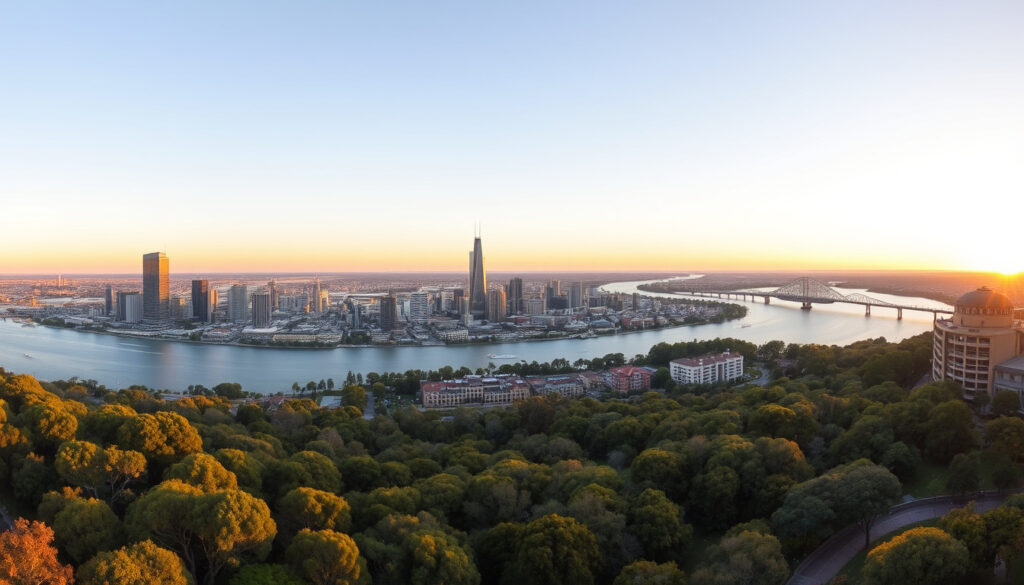
- Start at Kings Park, a 400‑hectare inner‑city reserve that offers sweeping views of the Swan River and the city skyline. The park hosts free guided walks at 10am and 1pm daily (Destination Perth official tourism guide).
- The Botanic Garden features over 3,000 species of Western Australian flora, all free to explore (YHA Australia budget travel network).
Eight flights of the Lotterywest Federation Walkway take you into the treetops for a different perspective.
Swan River cruise
- Hop on a Swan River cruise from Elizabeth Quay. Operators offer everything from a short city‑circuit ride to a full lunch cruise (Time Out Perth city guide).
- For a no‑cost alternative, walk the riverside path from Elizabeth Quay to the Causeway and back – the scenery costs nothing.
Cottesloe Beach sunset
- Cottesloe Beach is a favourite sunset spot for locals and visitors alike. The Indian Ocean puts on a display that’s free every evening (New Idea lifestyle magazine).
- Grab fish and chips from a nearby shop and settle on the grassed area above the sand.
Is 3 days enough for Perth?
3‑day itinerary for first‑time visitors
- Three days allows you to cover the city core, one beach and Fremantle, plus a day trip to either Swan Valley or Rottnest Island (Destination Perth official tourism guide).
Day 1: City and Kings Park
- Explore Kings Park in the morning, then stroll through the Perth Cultural Centre – home to the Art Gallery of Western Australia and the Western Australian Museum (free general admission until at least March 2025) (Visit Perth official visitor site).
- Use the free CAT bus to move between attractions (Hostelworld budget travel resource).
Day 2: Beaches and Fremantle
- Spend the morning at Scarborough Beach (free beach, markets on Sundays) (Western Australia Expert travel blog).
- Take a train to Fremantle for the historic Roundhouse and the weekend markets. Entry to the Roundhouse is free (Sassy Mama Singapore family lifestyle guide).
Day 3: Swan Valley or Rottnest Island
- Swan Valley wineries are just 25 minutes from the city by car. For a free day, stick to cellar‑door tastings (YHA Australia budget travel network).
- Rottnest Island requires a full day: take a ferry from Fremantle or Perth, then cycle around the island to spot quokkas (Visit Perth official visitor site).
The pattern: three days delivers a solid sense of the city’s core, a beach fix, and a choice between wine or wildlife.
What is Perth most known for?
Swan River and Kings Park
- The Swan River cuts through the heart of Perth, with Kings Park perched above it – an iconic pairing that defines the city’s geography (Time Out Perth city guide).
White sand beaches
- Perth’s coastline stretches 80 km, with beaches like Cottesloe, Scarborough, and City Beach drawing swimmers, surfers, and sunset‑watchers. All are public and free.
Sunny climate
- Perth has more sunny days than any other Australian capital city – 139 per year (Time Out Perth city guide).
Quokkas on Rottnest Island
- The island is famous for its quokka population – a small marsupial that poses for selfies. Ferry access from Fremantle (Visit Perth official visitor site).
Mining and resource industry
- Perth is the headquarters for many of the world’s largest mining and resource companies, a pillar of the local economy.
The city’s identity is a hybrid of natural beauty and economic power. For visitors, the biggest draw remains the ability to experience world‑class outdoor attractions without paying entry fees.
What to do in Perth for 4 days?
Day 1: City attractions
- Follow the Day 1 itinerary above: Kings Park, Perth Cultural Centre, Elizabeth Quay, and a free CAT bus circuit.
Day 2: Beaches and Fremantle
- Repeat the Day 2 schedule – two beaches in the morning, Fremantle in the afternoon. Add a walk through the Fremantle Street Art trail for a creative twist.
Day 3: Swan Valley wineries
- Head to Swan Valley, 25 minutes from the CBD. Many wineries offer free tastings; some charge a small fee that is refunded with a purchase (YHA Australia budget travel network).
Day 4: Rottnest Island
- Ferry from Fremantle or Perth, hire a bike, and spend the day exploring the island’s 63 beaches and quokka colonies (Visit Perth official visitor site).
Is Sydney or Perth better?
Four dimensions, one pattern: Perth wins on space and affordability; Sydney on density of iconic landmarks.
| Dimension | Perth | Sydney |
|---|---|---|
| Climate | More sunny days (139 per year); hot summers, mild winters | Humid subtropical; more rain and milder summer heat |
| Beach lifestyle | Quieter, less crowded beaches; free parking often available | Famous beaches, but crowded and paid parking common |
| Cost of living (tourist) | Less expensive: meals, accommodation, and attractions cost roughly 15‑20% less (New Idea lifestyle magazine) | Higher across the board |
| Iconic attractions | Kings Park, Swan River, quokkas, Fremantle | Opera House, Harbour Bridge, Bondi Beach, Blue Mountains |
The implication: If you value uncrowded beaches, a lower budget, and direct wildlife encounters, Perth is the better choice. If you want a bucket‑list city with globally recognised landmarks, Sydney pulls ahead.
What’s the best month to go to Perth?
Summer (December–February)
- Peak heat (30–40°C) and prime beach weather. Perfect for swimming, but accommodation prices rise. Many free events run through early January.
Autumn (March–May)
- Days are warm and settled, crowds thin, and hotel rates drop. March and April are often considered the sweet spot (Destination Perth official tourism guide).
Winter (June–August)
- Cooler and wetter, but whale‑watching season starts. Free indoor attractions like the Art Gallery and Museum become excellent backups.
Spring (September–November)
- Wildflowers bloom in Kings Park and Yanchep National Park. The city warms up, and crowds remain manageable. October and November are excellent for outdoor itineraries.
March–April and October–November offer the best balance of weather, cost, and low crowd density. Families on school holidays may have to accept higher prices but can still exploit free attractions to keep total spend down.
Clarity: What we know and what we don’t
Confirmed facts
- Kings Park and Botanic Garden is a free attraction covering 400 hectares (Destination Perth official tourism guide)
- The Perth Cultural Centre clusters free cultural stops: Western Australian Museum, State Library, Art Gallery of WA, and PICA (YHA Australia budget travel network)
- Free CAT buses serve the city centre (Hostelworld budget travel resource)
- Lesmurdie Falls is a free, family‑friendly hike in the Perth Hills (New Idea lifestyle magazine)
- Heirisson Island offers free kangaroo spotting near the city (New Idea lifestyle magazine)
What’s unclear
- Exact visitor numbers to many free attractions are not officially published.
- Seasonal changes to restaurant and market opening hours are not consistently reported.
What visitors are saying
“With the free CAT bus network and the free attractions around the Cultural Centre, you can easily spend three days in Perth without spending a dollar on entry fees. The best part is that the quality of the experiences – from the Kings Park walks to the Museum – is genuinely world‑class.”
Destination Perth official tourism guide
“Spring and autumn are our favourite seasons for family photos in Kings Park – the wildflowers are out and the light is perfect. Combined with the free piazza activities in Northbridge, it’s a cheap way to create lasting memories.”
Visit Perth official visitor site
Both sources agree: Perth’s free offering isn’t a consolation prize – it’s a genuine competitive advantage that budget‑conscious travellers can exploit without compromising on quality.
For a family of four visiting Perth in 2026, the decision is simple: lean into the free attractions – Kings Park, the Cultural Centre, Cottesloe Beach, and the CAT bus – to keep the total trip cost well under that of comparable Australian cities. Couples and solo adults, meanwhile, should use the same free infrastructure to free up budget for a single splurge, like a Swan Valley wine tour or a Rottnest ferry ride. The city’s design rewards those who plan around its natural and civic gifts.
thetravellingtanz.com, freeperthactivities.com.au, perthtouristcentre.com.au, gosurfperth.com
Frequently asked questions
What is Perth known for food?
Perth’s food scene is known for fresh seafood (especially rock lobster and prawns) and a strong coffee culture. The Swan Valley region produces excellent wines and artisan cheeses. Many free food events like the Northbridge Piazza movie nights include rotating food trucks (YHA Australia budget travel network).
Can you swim in the Swan River?
Yes, but designated swimming areas are limited and water quality can vary. Popular spots include the Swan River foreshore in South Perth and the beaches near Matilda Bay. Always check current water quality advisories (Destination Perth official tourism guide).
How far is Rottnest Island from Perth?
Rottnest Island is about 19 km off the coast, a 25‑minute ferry ride from Fremantle or 90 minutes from Perth’s Barrack Street jetty (Visit Perth official visitor site).
Is Perth expensive for tourists?
Perth is generally less expensive than Sydney or Melbourne for accommodation, dining, and attractions. Many top attractions are free, and the free CAT bus reduces transport costs. Budget travellers can get by on about AUD $100–$150 per day per person (Hostelworld budget travel resource).
What is the weather like in Perth in winter?
Winter (June–August) in Perth is mild and wetter than other seasons. Daytime temperatures range from 8–19°C. Rain is common but often comes in short bursts, leaving plenty of dry windows for exploring free indoor attractions.
Do I need a car in Perth?
Not strictly. The free CAT bus network covers the city centre, and trains connect to Fremantle, Mandurah, and other suburbs. For Swan Valley or Rottnest Island day trips, organised tours or ferries are available. A car adds flexibility but is not essential for the core itinerary (Destination Perth official tourism guide).
What are the best free things to do in Perth?
Top free activities include walking Kings Park, browsing the Art Gallery of Western Australia, visiting the Western Australian Museum (free general admission), riding the CAT bus, watching the sunset at Cottesloe Beach, and exploring the street art in Fremantle (New Idea lifestyle magazine).
More related posts
 NZ Take Home Pay Calculator 2026 – Step-by-Step Guide
 Fluffy Pancake Recipe NZ: Secrets, Tips & Best Variations
 ATV Crash Foxton Beach – Teen Dies in Fatal Rollover
 How Long Does Temu Take to Ship to NZ? 2025 Delivery Times
 FC Barcelona vs Atlético Madrid Lineups – Predicted XI and Team News
 Encuentra el Ritmo Meaning: Translation, NYT Strands
 State Highway 63 Marlborough Cracks: Updates & Closures
 KFC Menu with Prices NZ PDF: Full Menu & Deals 2025