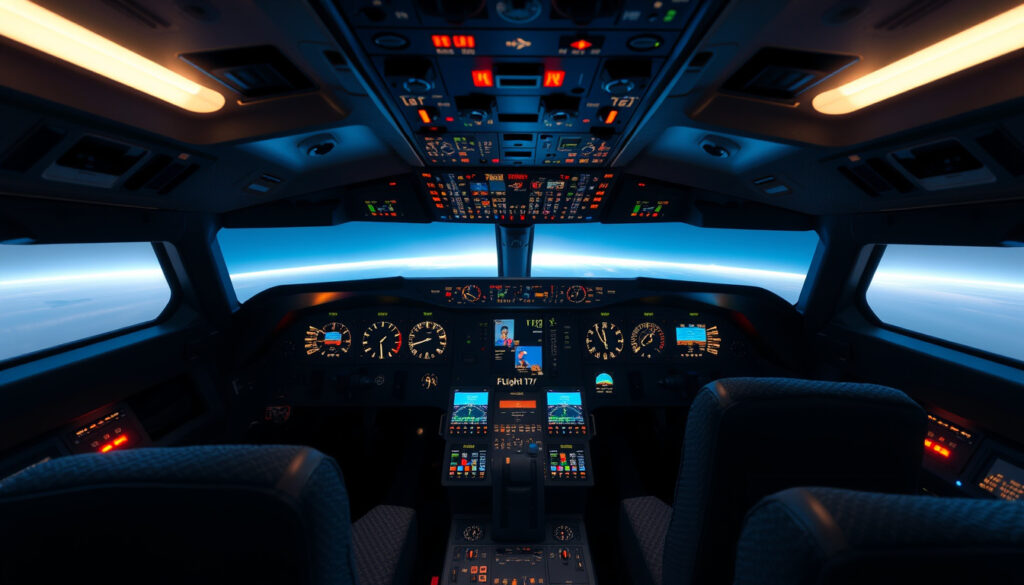
Pilot of Air India Flight 171: Sumeet Sabharwal & Clive Kunder
When Air India Flight 171 crashed seconds after takeoff from Ahmedabad on June 12, 2024, the tragedy claimed 241 lives and left investigators searching for answers. Captain Sumeet Sabharwal, 56, and First Officer Clive Kunder were at the controls of the Boeing 787 Dreamliner bound for London Gatwick—two pilots whose careers, final words, and community tributes now define the public effort to understand what went wrong.
Flight Number: AI171 · Captain: Sumeet Sabharwal · First Officer: Clive Kunder · Last Message: Mayday · Incident Location: Ahmedabad
Quick snapshot
- Pilots identified as Captain Sumeet Sabharwal and First Officer Clive Kunder (The Independent news report)
- Sabharwal, 56, had 15,638 total flight hours and 8,596 on the Boeing 787 (The Independent news report)
- Last cockpit communication was a Mayday call (NDTV news report)
- Exact marriage status of both pilots remains disputed across sources
- Full cause of the fuel switch cut has not been publicly confirmed
- Whether pilot impairment contributed to the crash
- June 12, 2024: Flight 171 crashes seconds after takeoff (NDTV news report)
- One month post-crash: Preliminary report published (NDTV news report)
- Formal investigation ongoing
- Family members summoned by probe authorities
Air India Flight 171 was en route from Ahmedabad to London Gatwick when the Boeing 787 Dreamliner crashed into a medical college hostel, killing 19 people on the ground. Of the 230 passengers and 12 crew aboard, 229 passengers and all crew members died; one passenger survived.
The following table summarizes key facts about the crash and its primary figures.
| Field | Value |
|---|---|
| Primary Pilots | Captain Sumeet Sabharwal, First Officer Clive Kunder |
| Flight | Air India 171 |
| Last Communication | Mayday |
| Key Sources | Reuters, Wikipedia, Times of India |
Who is the pilot of the Air India plane?
Air India Flight 171 was piloted by a two-person crew: Captain Sumeet Sabharwal served as pilot-in-command, while First Officer Clive Kunder was at the controls during takeoff. Both were experienced aviators whose names became central to the public’s attempt to understand what went wrong on that June morning.
Captain Sumeet Sabharwal
Captain Sumeet Sabharwal, 56, joined Air India in 1994 and served as a line training captain—a role that involved mentoring newer pilots. His career in aviation began in the early 1990s, and by the time of the crash he had accumulated 15,638 total flight hours, with 8,596 of those on the Boeing 787 Dreamliner. Colleagues described him as disciplined, professional, soft-spoken, and humble, with no complaints ever filed against him. He was originally from Mumbai.
Sabharwal’s experience as a line training captain means his decisions carry additional weight in the investigation—fellow pilots looked to him as a standard-bearer.
First Officer Clive Kunder
First Officer Clive Kunder was at the controls during the takeoff that ended in tragedy. He received a farewell tribute from a Catholic church community, where he was described as a beloved member of the congregation. A framed photograph of Kunder appeared in public tributes, reflecting the community’s effort to honor his memory.
The distinction between the two pilots’ public profiles matters for understanding how the investigation unfolds—Sabharwal left a detailed professional record, while Kunder’s legacy emerged primarily through personal tributes.
Who was Captain Sumeet Sabharwal?
Beyond his professional credentials, Sabharwal’s personal life became part of the public record through tributes and investigative filings. His elderly father received remains following the crash and was later summoned as part of the official probe—authorities sought to establish whether family knowledge of the captain’s health might illuminate the sequence of events.
Career background
Sabharwal’s trajectory reflected a generation of Indian pilots who built careers with the national carrier during a period of expansion. Starting in the early 1990s, he accumulated experience across routes before specializing in the Boeing 787—a modern aircraft that demanded ongoing training and recertification. His service as a line training captain positioned him among the most trusted officers in Air India’s fleet.
The probe’s decision to summon Sabharwal’s relative suggests investigators are exploring personal circumstances as a potential factor—not necessarily blame, but context.
Family life
Reports on Sabharwal’s marital status have been inconsistent across sources. Some accounts referenced a wife and family connections, while others noted the captain’s personal circumstances with less specificity. The discrepancy reflects the challenge of verifying private details amid fast-moving news cycles—readers should treat marriage status as unconfirmed unless corroborated by multiple reliable outlets.
The conflicting reports underscore how investigations into high-profile accidents often expose gaps in publicly available personal data, leaving investigators to rely on official records and family testimony.
Who is Clive Kunder?
Clive Kunder’s name appeared in tributes that surfaced in the days and weeks following the crash. Unlike Sabharwal, whose professional record provided substantial public detail, Kunder’s background came forward primarily through community and social sources.
Role in flight
Kunder served as first officer—the second-in-command role that places the trainee or junior pilot at the controls during critical phases like takeoff. The cockpit audio recovered from the flight recorder captured an exchange between Kunder and Sabharwal: one pilot asked “Why did you cut off?” and received the reply “I didn’t.” This exchange, while not conclusive, has featured prominently in speculation about the crash dynamics.
Personal background
Kunder’s Catholic faith was referenced in farewell services held by his congregation. “He hasn’t left us; he’s only flying higher now,” read one tribute shared in the community. Framed photographs circulated on social media, part of a broader effort by Kunder’s faith community to memorialize him.
The community’s response to Kunder’s death reveals how aviation tragedies ripple beyond the immediate victims to touch broader social networks that remember the deceased on their own terms.
Who were the Air India pilots who flew the jet that crashed?
Reuters published detailed profiles of both pilots in the days following the crash, establishing their identities and professional backgrounds for international audiences. These profiles formed the factual backbone that other outlets, including Wikipedia entries on the incident, subsequently drew from.
Captain details
The captain’s profile showed a veteran with nearly three decades of experience. His age—56 at the time of death—placed him among senior pilots by industry standards. The volume of flight hours, particularly the 8,596 hours on the 787, demonstrated currency on the aircraft type.
Co-pilot details
Kunder’s relative newcomer status compared to Sabharwal raised natural questions about the mentorship dynamic in the cockpit. Whether age or experience differentials contributed to the communication pattern captured in the cockpit voice recorder remains part of the investigation’s scope.
The seniority gap between the two pilots illustrates how cockpit hierarchy operates in commercial aviation—junior officers execute while senior officers supervise, making every decision a shared responsibility.
What were the last words of Captain Sabharwal?
The last words from the flight deck were a Mayday call—a radio transmission reserved for imminent threat to life. Aviation Ministry officials confirmed this transmission, though they did not attribute fault in the statement.
Mayday call
The Mayday—broadcast by the flight crew to air traffic control—indicated that at least one pilot recognized a catastrophic situation unfolding. The brevity of the call suggests the sequence of events unfolded rapidly, leaving little time for extended communication.
Aviation Ministry statement
The Aviation Ministry’s preliminary report, published one month after the crash, provided official confirmation of the Mayday transmission. The statement stopped short of assigning cause, instead framing the document as a factual record pending full investigation. Full findings await the formal Aircraft Accident Investigation Bureau report.
A Mayday call proves the crew knew something was wrong—it does not establish who or what caused the emergency. Investigators must still reconcile the pilot’s awareness with the cockpit audio exchanges.
The gap between the brief Mayday transmission and the more detailed cockpit audio exchange suggests the crisis developed in stages, with the pilots communicating briefly to air traffic control before their attention returned to instruments inside the flight deck.
Timeline of events
| Date/Period | Event |
|---|---|
| June 12, 2024 | Air India Flight 171 crashes seconds after takeoff from Ahmedabad |
| June 12, 2024 (hours later) | Pilot identifications begin; tributes emerge from families and communities |
| July 2024 | Preliminary report published by Aircraft Accident Investigation Bureau |
| Post-report | Family members summoned for probe; cockpit audio excerpts reported |
The compressed timeline between the crash and the preliminary report publication gave investigators one month to establish basic facts before releasing findings that raised as many questions as they answered.
Confirmed facts vs. unconfirmed claims
Confirmed
- Pilots were Sumeet Sabharwal and Clive Kunder
- Sabharwal had 15,638 total flight hours; 8,596 on Boeing 787
- The Mayday call was made and confirmed by Aviation Ministry
- Preliminary report published one month post-crash
- Cockpit audio contains the exchange: “Why did you cut off?” / “I didn’t”
Unclear
- Marriage status of both pilots (sources conflict)
- Whether pilot health impairment contributed to the crash
- Full cause of the fuel switch being cut
- Extent of Kunder’s flight experience prior to AI171
The imbalance between confirmed facts and unresolved questions reflects how investigations of this magnitude unfold—official sources provide anchors of certainty while peripheral details remain contested.
Voices from the investigation
He hasn’t left us; he’s only flying higher now. — Tribute from Clive Kunder’s Catholic congregation
One pilot asked “Why did you cut off?” and the other replied “I didn’t.” — Aircraft Accident Investigation Bureau preliminary report, as reported by NDTV
The tributes and official records together paint a portrait of two men whose professional lives were defined by precision and care—and whose final moments remain under scrutiny. Sabharwal’s reputation as a training captain means his judgment is central to understanding the cockpit dynamic; Kunder’s community farewells reflect a different kind of legacy, one rooted in faith and personal connection rather than industry accolades.
The formal investigation continues. Readers seeking the full crash report should consult the Aircraft Accident Investigation Bureau directly for updates.
Frequently asked questions
What caused the Air India Flight 171 crash?
The formal cause has not been publicly confirmed. The preliminary report noted a cockpit exchange about cutting off fuel and a confirmed Mayday call. The full investigation report from the Aircraft Accident Investigation Bureau is pending.
How many deaths in Air India Flight 171?
The crash killed 19 people on the ground and resulted in 241 deaths among passengers and crew—229 of 230 passengers and all 12 crew members. One passenger survived.
Who were the Air India Flight 171 pilots?
Captain Sumeet Sabharwal, 56, served as pilot-in-command. First Officer Clive Kunder was at the controls during takeoff. Both were confirmed by multiple outlets including The Independent and NDTV.
What were the last words of the pilots?
The last confirmed transmission was a Mayday call to air traffic control. Cockpit audio also captured an exchange: “Why did you cut off?” / “I didn’t.” The content has been reported by NDTV citing the preliminary report.
Where is the Air India Flight 171 crash report?
The Aircraft Accident Investigation Bureau published a preliminary report one month after the crash. The full formal report is expected upon completion of the investigation.
Was Captain Sabharwal married?
Reports on Sabharwal’s marital status are inconsistent across sources. Some accounts referenced family connections; others did not. This detail remains unconfirmed by authoritative outlets.
What is the latest update on the Air India 171 crash?
Family members of Captain Sabharwal have been summoned by investigative authorities as the probe continues. The formal investigation report has not yet been released.
Bottom line
Captain Sumeet Sabharwal and First Officer Clive Kunder were experienced aviators whose final flight ended in catastrophe. The investigation seeks to establish causation through technical analysis, while public memory preserves their dignity through tributes and community remembrances. Sabharwal’s three-decade career and role as a training captain make his cockpit decisions central to understanding what happened; Kunder’s community farewells reflect a legacy rooted in personal faith and connection. Both pursuits continue in parallel, separated by methodology but linked by the shared weight of June 12, 2024.
More related posts
 West Ham vs Tottenham 2026: Match Report & Scarf Ban
 Accounting Software for Education: Top Picks for Schools
 Sam Neill Movies and TV Shows: Full List & Highlights
 Rugby World Cup Final 2025 & 2027: Dates, Times, TV, Tickets
 Havelock North New World: Hours, Ownership & Prices
 How to Draw a Girl: Easy Step-by-Step Tutorials for Kids
 Love It or List It 2026: Pay, Host Changes, and Status